Categories: AI Video Workflow, Creator Strategy, Production Process
Tags: seeddance, seedance 2.0, ai video workflow, content strategy, creator toolkit
Introduction
In today's competitive online marketplace, product videos are no longer a luxury but a necessity. This guide will walk you through creating compelling product videos using AI, specifically with Veo3, from initial planning to final distribution, ensuring your videos drive sales and build your brand.
1) Why Product Videos Matter More Than Static Listings
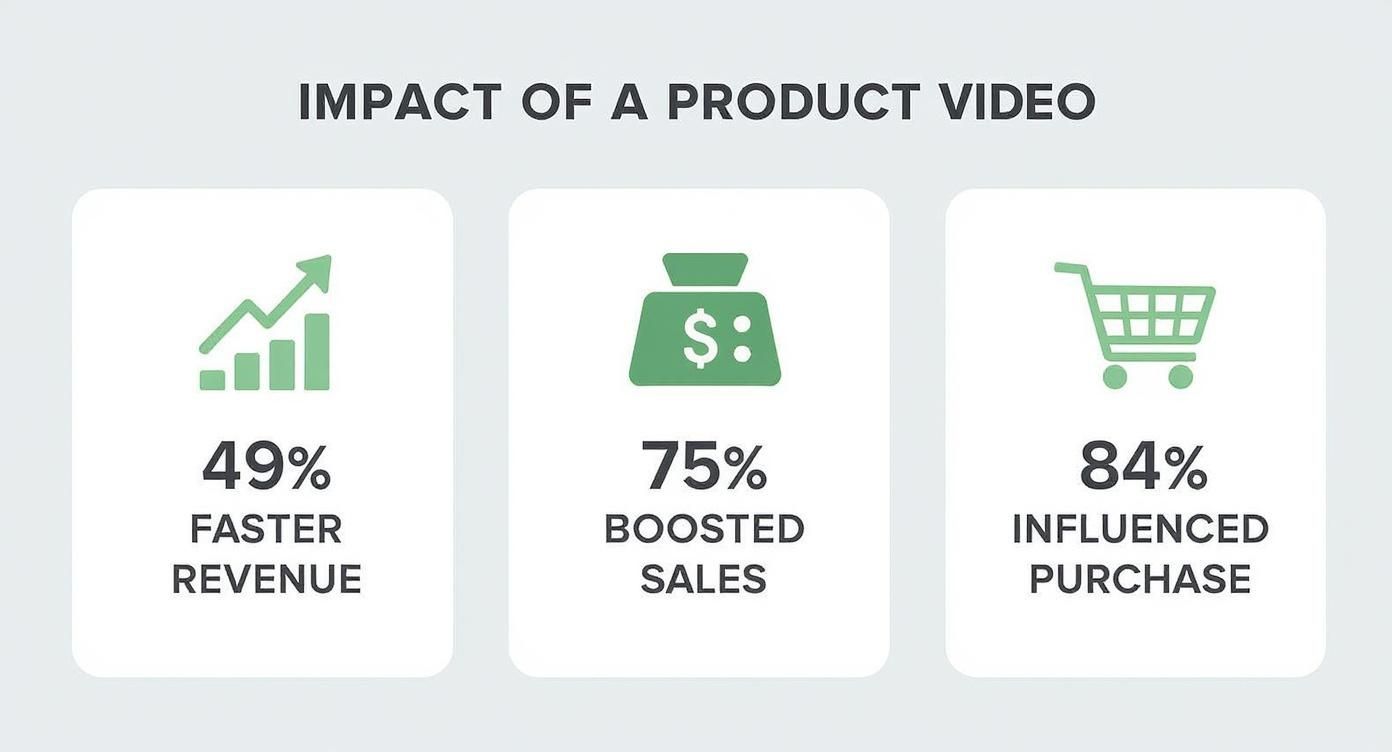
Product videos reduce the biggest friction in e-commerce: uncertainty. A shopper can understand size, texture, movement, use case, and perceived quality in seconds. That is much harder to communicate with a few images and a short feature list.
The source article makes the same point clearly: strong video does not just decorate a product page, it closes the gap between browsing and buying. That is why video-heavy product pages often keep visitors engaged longer and help buyers feel more confident before checkout.
There is also a practical business case. Product videos can support conversion, lower return risk by setting clearer expectations, and give you reusable creative for paid ads, landing pages, email campaigns, and short-form social posts.
2) Start With One Goal, One Audience, One Story
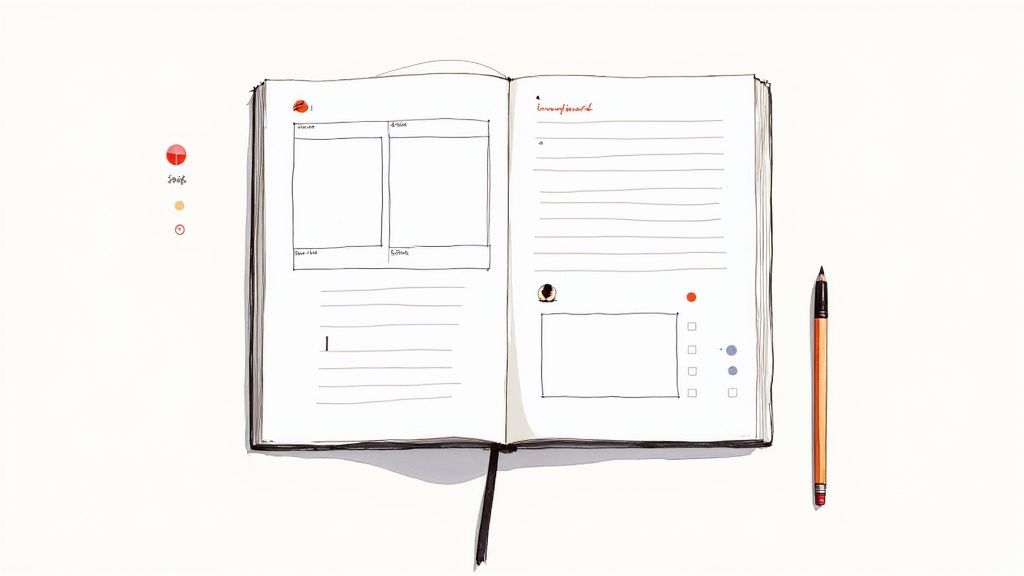
The fastest way to get a weak AI video is to skip planning. Before opening any generator, define the single job of the video:
- Drive a direct purchase
- Explain a key feature
- Launch a new product
- Show a real-world use case
Pick one. If a single video tries to educate, entertain, build brand, and convert all at once, the message usually gets diluted.
Next, get specific about the viewer. A video for performance marketers should not sound like a video for first-time skincare buyers. Their objections, language, pacing, and visual expectations are different. The better you understand the viewer, the easier it is to write a product video that feels relevant instead of generic.
Then build a lightweight story. A simple Problem -> Solution -> Result arc is enough for most product videos:
- Show the pain point.
- Introduce the product as the answer.
- Show the outcome the buyer wants.
3) Use AI Prompts Like a Creative Brief
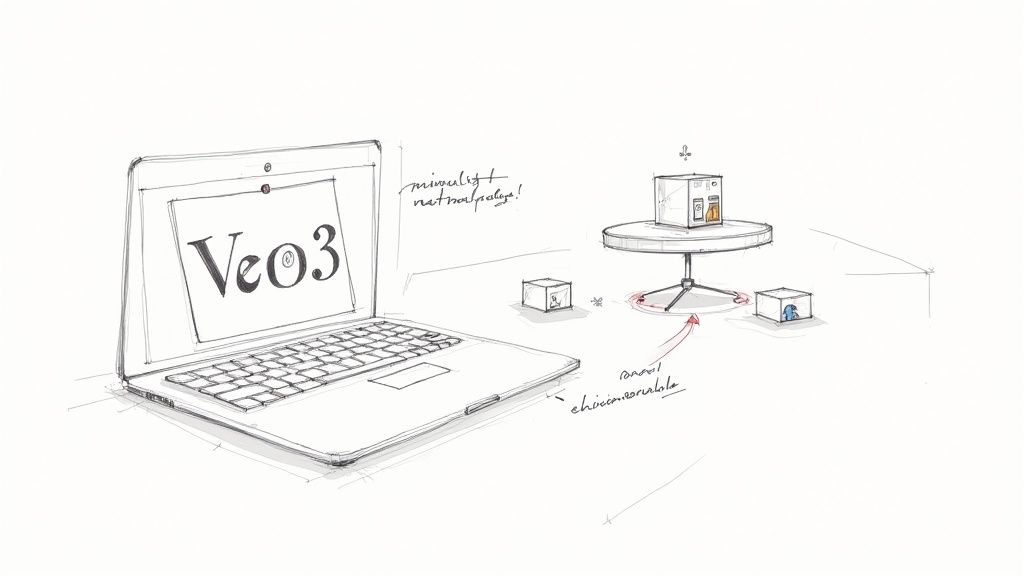
Once the strategy is clear, AI can accelerate production dramatically. The source piece emphasizes prompt quality, and that is exactly where most results are won or lost. A weak prompt such as "video of a shoe" gives the model too much room to guess. A stronger prompt specifies the shot, product details, motion, environment, and visual style.
A practical prompt formula is:
[shot type] + [product description] + [action] + [environment] + [visual style]
For example, instead of asking for a generic watch video, describe the material, lighting, movement, and mood. Instead of a vague skincare shot, specify the dropper, the texture, the bathroom setting, and the clean visual tone you want. This extra detail helps the model create visuals that feel closer to your brand rather than stock-looking filler.
In Seeddance, that usually maps to a simple workflow:
- Use Text to Video to explore fresh product concepts from scratch.
- Use Image to Video when you already have packshots, renders, or campaign stills to animate.
- Use Video to Video when you want to restyle or improve an existing clip without rebuilding the concept from zero.
Your prompt also controls pacing. Fast cuts and energetic verbs create urgency. Slow camera motion and softer descriptors suggest premium quality. That difference matters because product videos sell emotion as much as features.
4) Polish the Draft Until the Buying Message Is Obvious
AI output is a first draft, not a finished commercial. The next job is editing for clarity and intent.
Review the sequence and ask:
- Does the opening frame communicate the product fast enough?
- Does each shot support the same core objective?
- Is the pace too slow, too chaotic, or just right for the buyer?
- Is the CTA implied clearly by the end result?
Trim dead space aggressively. Rearrange scenes if the logic is weak. If the product benefit is visual, let the proof appear early. If the product needs explanation, keep the edit tighter and clearer rather than more cinematic.
Audio also matters. Music, narration, captions, and sound design shape the perceived quality of the final piece. If you need to adapt soundtrack or spoken content after the visual cut is locked, Video to Audio can support the final polishing pass.
5) Distribute for Conversion, Not Just Views
A good product video can still underperform if the surrounding packaging is weak. Distribution should match the intent of the asset.
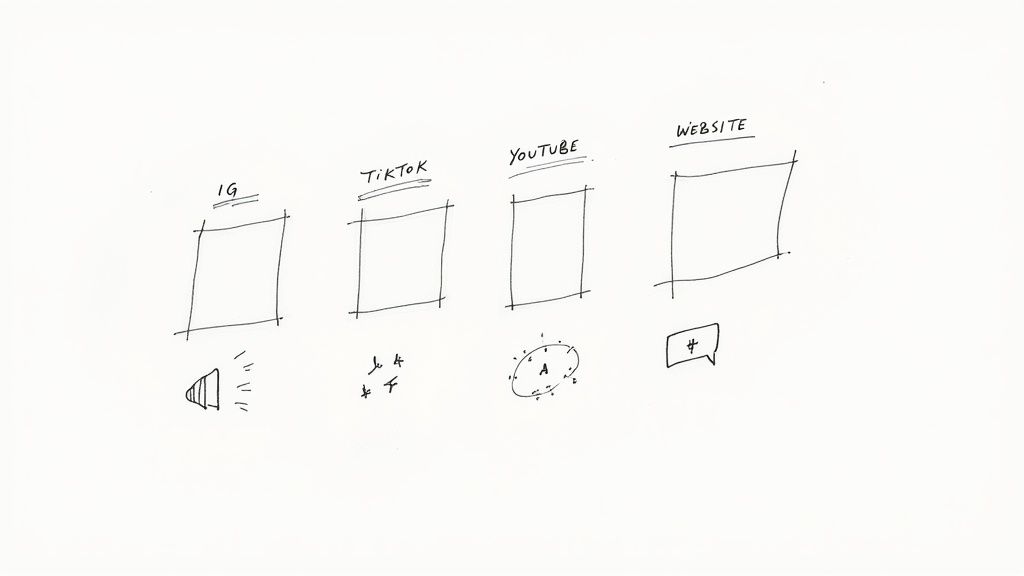
On a product detail page, the video should answer hesitation quickly and sit close to pricing, benefits, or the add-to-cart action. In paid social, the opening seconds need to stop the scroll before you ask for attention. In email, the thumbnail and headline need to carry the click before the video ever plays.
The source article is right to stress reuse. One strong product video can be repackaged into:
- A product-page hero asset
- Short paid social variations
- Launch teasers
- Feature explainers
- Post-purchase education clips
That is where AI workflows become especially effective. You are not making one asset. You are building a repeatable system for multiple conversion moments.

6) A Practical AI Product Video Workflow
If you want a repeatable production rhythm, keep it simple:
- Define the conversion goal for this video.
- Write a short script around one buyer problem.
- Build 3 to 5 scene prompts with clear visual direction.
- Generate first-pass clips in Seeddance.
- Select the strongest shots and tighten the edit.
- Add captions, music, and CTA framing for the target channel.
- Publish 2 to 3 variations and compare conversion signals.
This workflow is lightweight enough for solo creators and structured enough for teams that need weekly output.
Conclusion
Learning how to create product videos is really about learning how to remove buyer hesitation. AI speeds up production, but the fundamentals still decide whether the video sells: a clear goal, a clear audience, a clear story, and a clear next step.
If you build those fundamentals first, tools like Seeddance become force multipliers rather than random generators. The result is faster production, more reusable creative, and product videos that support revenue instead of just adding motion to the page.
Next Step
Build your first product video workflow with Seeddance:
FAQs
1) What makes a product video convert better than product photos alone? Video shows context, movement, scale, and use case much faster than static media, which helps buyers understand the offer and trust it sooner.
2) Do I need a long script for AI product videos? No. Most product videos work better when they focus on one problem, one benefit, and one CTA.
3) Which Seeddance workflow should I start with? Start with Text to Video for concept generation, then use Image to Video or Video to Video when you already have source assets to refine.