Categories: AI Video Workflow, Creator Strategy, Production Process
Tags: seeddance, seedance 2.0, ai video workflow, content strategy, creator toolkit
Introduction
This guide turns key ideas into a practical Seeddance production framework.
The focus is simple: clearer planning, faster execution, and stronger publishing consistency with Seedance 2.0.
Core Content Blocks
1) Bringing Your Script to Life with a Storyboard
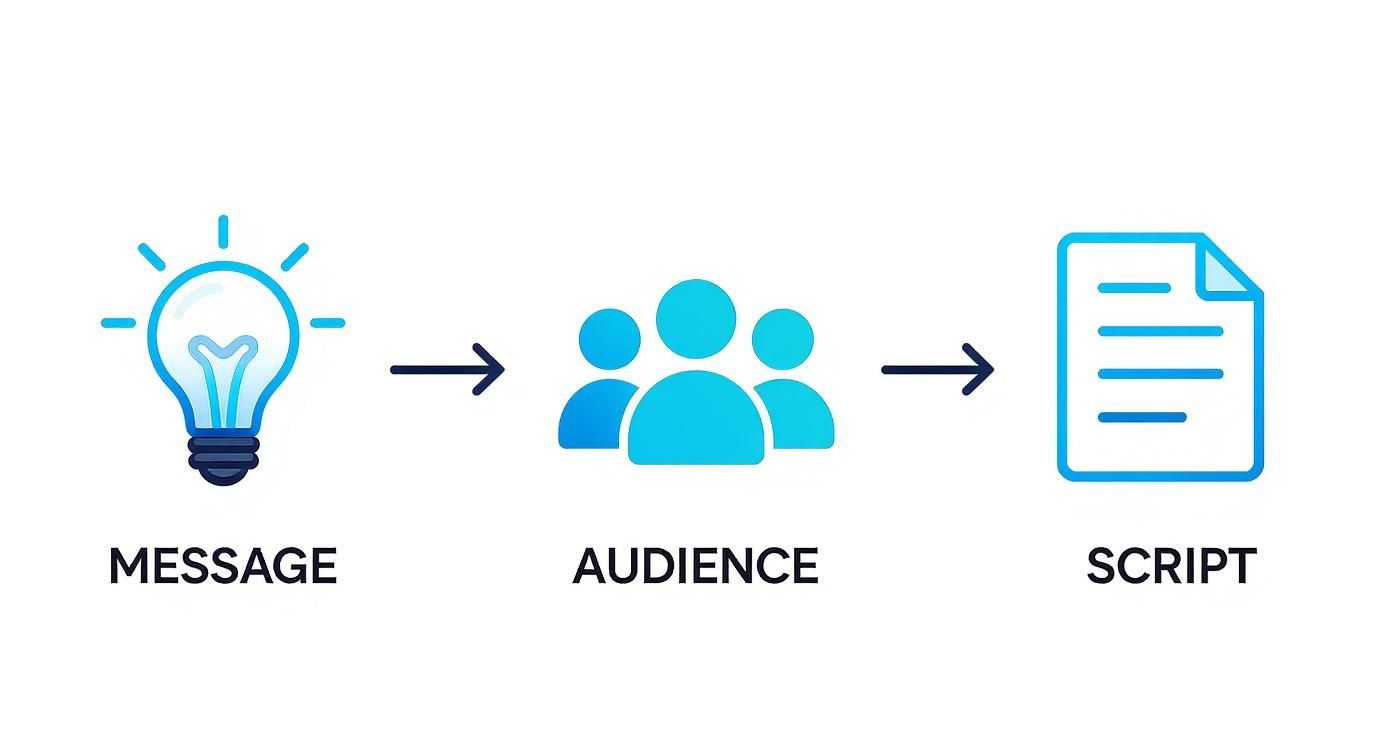
Your core message is the "why." It's the central idea that everything else in the video must support. A fuzzy goal like "showcasing a new feature" won't cut it. It’s just too vague.
Why this works:
- Keeps production repeatable
- Reduces random editing loops
- Makes weekly iteration measurable
2) Using AI to Generate Your Video Content
Once you've nailed down your message, it's time to get inside your audience's head. A video for a room full of engineers will be a world apart from one meant for potential investors. You have to adapt. I always ask myself these questions before writing a single word:
Why this works:
- Keeps production repeatable
- Reduces random editing loops
- Makes weekly iteration measurable
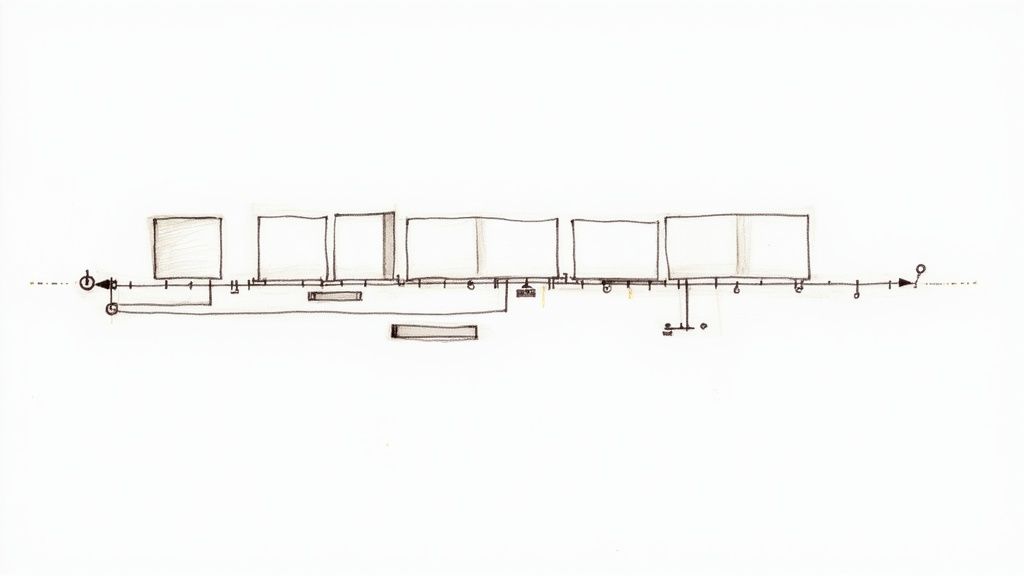
3) Assembling Your Presentation in the Edit
Now, let's get to writing. The most common mistake I see is people writing a script that’s meant to be read, not heard. Big difference. Your script should feel like you're talking to a friend, not presenting a thesis.
Why this works:
- Keeps production repeatable
- Reduces random editing loops
- Makes weekly iteration measurable
4) Final Touches for Engagement and Accessibility
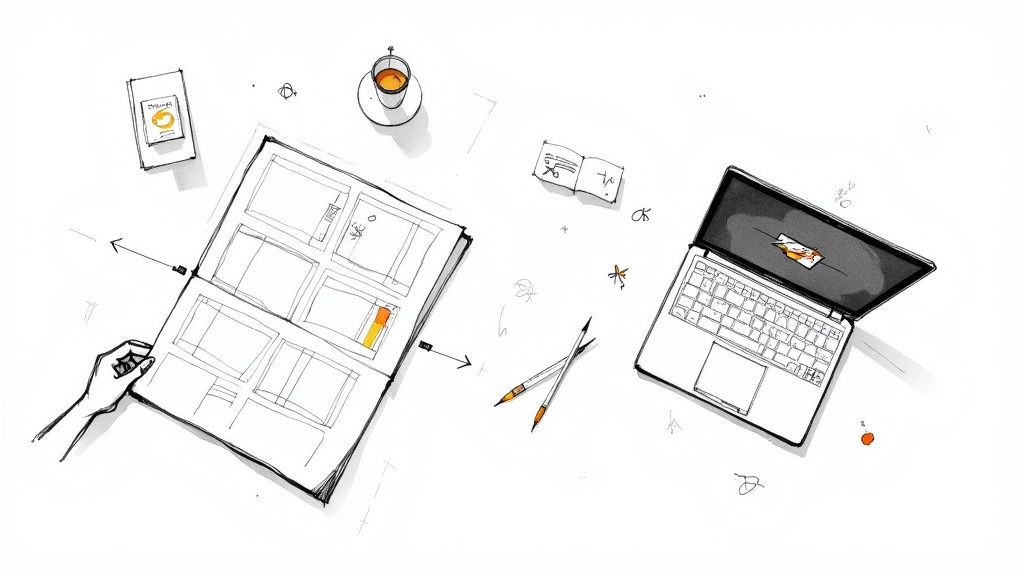
You’ve got a polished script, and the temptation to dive right into creating your video is real. But hold on. Skipping the storyboard is like trying to build a house without a blueprint—you'll probably end up with something that feels disjointed and confusing.
Why this works:
- Keeps production repeatable
- Reduces random editing loops
- Makes weekly iteration measurable
5) Common Questions About Video Presentations
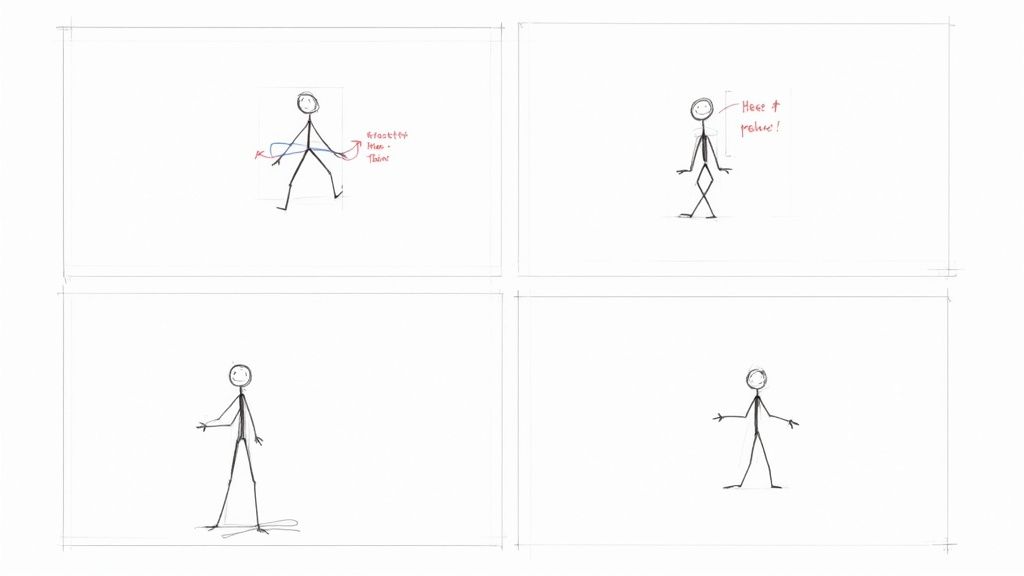
First things first, go through your script and break it down into individual scenes or key moments. Each one should represent a single, distinct idea or action. For each scene, you'll create a simple sketch or just a quick note that answers a few crucial questions:
Why this works:
- Keeps production repeatable
- Reduces random editing loops
- Makes weekly iteration measurable
6) Pinpoint Your Core Message
A great storyboard helps you map out the rhythm of your video. You can plan for variety to keep your viewers hooked, like switching between a "talking head" shot of the presenter and B-roll footage that actually shows what they’re talking about. It keeps things moving.
Why this works:
- Keeps production repeatable
- Reduces random editing loops
- Makes weekly iteration measurable
7) Understand Who You Are Talking To
Once your storyboard is locked in, it's time to bring those ideas to life. This is where AI video tools really shine, transforming what was once a complex, technical headache into a genuinely creative process. You don't need a background in animation or cinematography anymore.
Why this works:
- Keeps production repeatable
- Reduces random editing loops
- Makes weekly iteration measurable
8) Crafting a Conversational Script
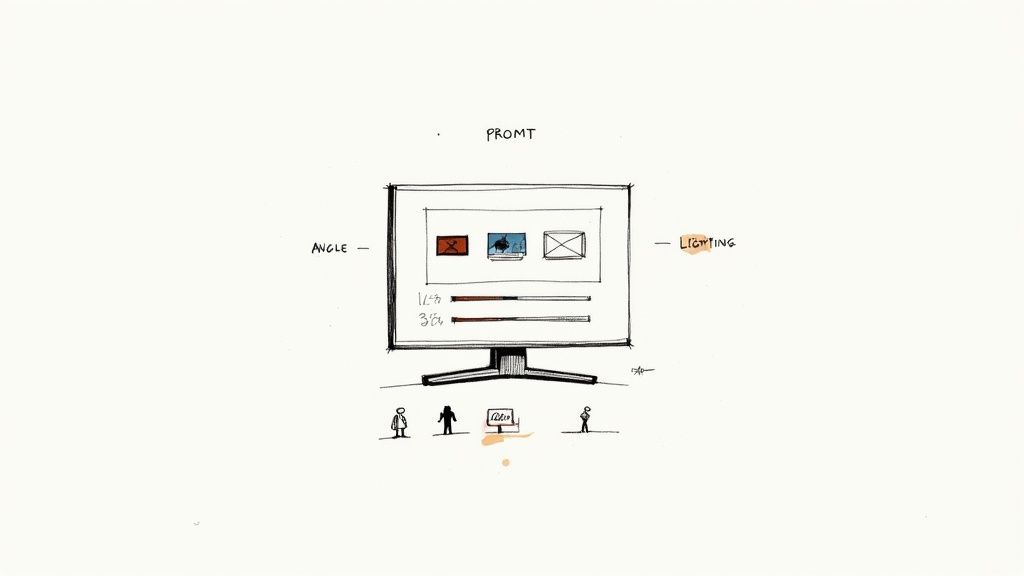
To get a video that feels cohesive and professional, your prompts need to be incredibly specific. Think of it less like a search query and more like you're describing a scene to an artist over the phone. Every detail matters.
Why this works:
- Keeps production repeatable
- Reduces random editing loops
- Makes weekly iteration measurable
9) Breaking Down Your Script into Scenes
The advanced prompts give the AI specific instructions on everything from the camera angle and lighting to the mood and artistic style. This level of detail is how you get visuals that look intentional, not just randomly spat out by a machine.
Why this works:
- Keeps production repeatable
- Reduces random editing loops
- Makes weekly iteration measurable
10) Planning Visuals and Shot Types
One of the biggest giveaways of an AI-generated video is a lack of consistency. If one scene is a photorealistic clip and the next is a flat cartoon, it immediately feels jarring and amateurish. The secret to avoiding this is to create a simple "style guide" for your prompts.
Why this works:
- Keeps production repeatable
- Reduces random editing loops
- Makes weekly iteration measurable
Practical Weekly Workflow
- Choose 2 to 3 blocks from this article and define a weekly objective.
- Build a concise first draft for each selected block.
- Improve structure, tone, and clarity before publishing.
- Compare variants using a single measurable KPI.
- Keep only the formats that consistently outperform baseline.
Conclusion
The most reliable way to scale content output is to standardize how each piece is produced.
Keep the structure stable, iterate by section, and scale only what proves performance.
Next Step
Explore Seeddance workflow templates: https://seeddance.app/
FAQs
1) Can this workflow work for a solo creator?
Yes. Start with a small weekly scope and reuse the same production blocks.
2) How many variants should I test per post?
2 to 4 focused variants are usually enough to identify clear winners.
3) Should I prioritize trends or consistency?
Use trends for reach, but keep a consistent format system for long-term brand memory.