Categories: AI Video Workflow, Creator Strategy, Production Process
Tags: seeddance, seedance 2.0, ai video workflow, content strategy, creator toolkit
Introduction
Improving social media engagement is not about chasing every trend or posting more often than everyone else. Real engagement comes from relevance. People respond when content feels timely, specific, useful, and built for the way they actually behave on each platform.
This guide focuses on the fundamentals that still matter: understanding the audience, creating content that earns interaction, using video strategically, and building community instead of chasing empty vanity metrics.
1) Start With Audience Reality, Not Generic Personas
Before improving engagement, you need a clearer picture of who you want to engage. Surface-level demographics are not enough. Age range and job title do not tell you what makes someone stop scrolling, what frustrates them, or what kind of post they are likely to save, share, or comment on.
Useful audience questions include:
- What is this person trying to learn, solve, or express?
- What kind of posts do they already engage with?
- Which platform behavior matters most: comments, shares, saves, replies, or watch time?
- What tone feels native to their feed?
The clearer the answers, the easier it becomes to create content that feels built for a real person instead of a vague audience segment.
2) Make Content That Gives People a Reason to Respond
Engagement improves when a post creates a low-friction reason to interact. That does not mean baiting the audience with empty prompts. It means making the post useful, opinionated, emotionally clear, or specific enough that people naturally want to reply or share it.
Stronger engagement formats usually include:
- A sharp opinion that invites agreement or disagreement
- A useful breakdown that people want to save
- A relatable problem that earns comments
- A practical example people can apply immediately
- A hook that makes the audience feel seen
The strongest posts do not ask for engagement as an afterthought. They are designed around it from the start.
3) Use Short-Form Video as an Engagement Engine
Short-form video still drives disproportionate attention across most major platforms because it compresses value into a format that is easier to consume and react to quickly. But more video alone is not the answer. The video has to do one thing well: help the viewer understand, feel, or decide something fast.
If you want better engagement from video, focus on:
- The first two seconds of the hook
- One clear idea per video
- Tighter pacing than you think you need
- On-screen text that supports silent viewing
- An ending that prompts a specific response or next action
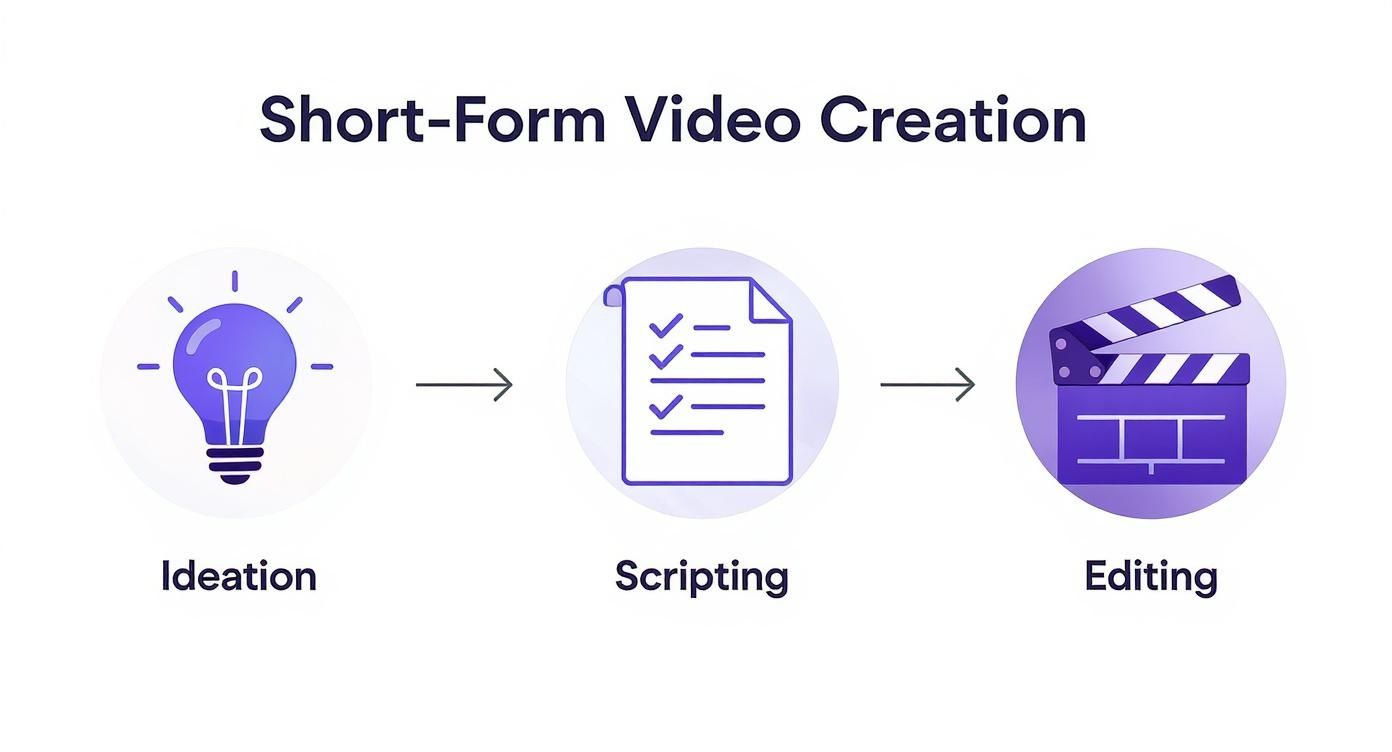
This is also where AI-assisted production becomes useful. Faster iteration means you can test hooks, visuals, pacing, and formats without rebuilding everything from scratch.
4) Build a Repeatable AI Content Workflow
Creators who improve engagement consistently usually have a system, not just good instincts. A repeatable workflow makes it easier to publish more often without letting quality collapse.
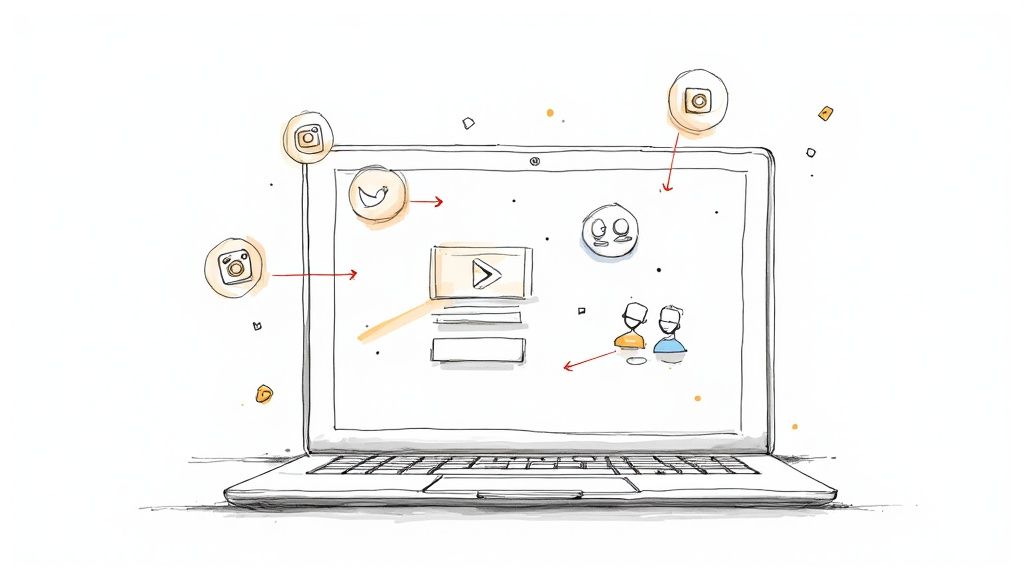
In Seeddance, that workflow can be simple:
- Use Text to Video to generate first-pass visual concepts for campaigns, tips, or thought-leadership content.
- Use Image to Video when you already have stills, graphics, screenshots, or branded frames that need motion.
- Use Video to Video to restyle or iterate on clips that already perform well.
The point is not to automate taste. The point is to reduce production friction so you can spend more time improving message, angle, and audience fit.
5) Build Community, Not Just Reach
The accounts with the strongest engagement usually treat social as a relationship channel, not just a broadcast channel. That means replying, referencing audience language, turning comments into content ideas, and making followers feel like participants instead of passive viewers.

Useful community habits include:
- Replying while the conversation is fresh
- Asking narrower, better questions
- Turning recurring audience pain points into post series
- Highlighting user perspectives, not only brand messaging
- Measuring saves, shares, and replies alongside likes
6) What to Measure If You Actually Want Better Engagement
If you only watch follower count and likes, you will misread what is working. Better engagement measurement depends on the content type and the business goal behind it.
For example:
- Saves can signal educational value
- Shares can signal emotional relevance or usefulness
- Comments can signal conversational resonance
- Watch time can signal hook and pacing strength
- Click-through can signal business intent
The right metric depends on what the content is meant to do. Strong strategy comes from matching the KPI to the post purpose.
Conclusion
Learning how to improve social media engagement is really about building stronger relevance. The audience should feel that the post understands them, helps them, or gives them something worth reacting to. That applies whether you are posting educational carousels, thought-leadership posts, or short-form videos.
When you combine better audience insight with a repeatable creative workflow, engagement becomes something you can improve intentionally instead of hoping for randomly.
Next Step
Use Seeddance to speed up social content testing:
FAQs
1) What improves social media engagement fastest?
Better hooks, clearer audience targeting, and content formats that are built to earn saves, shares, or replies usually improve engagement faster than simply posting more often.
2) Is video necessary for better engagement?
Not always, but short-form video is one of the strongest formats for earning attention and interaction on most major platforms.
3) What should brands measure besides likes?
Brands should also track saves, shares, replies, watch time, and click-through rate, depending on the goal of each post.