Categories: AI Video Workflow, Creator Strategy, Production Process
Tags: seeddance, seedance 2.0, ai video workflow, content strategy, creator toolkit
Introduction
This guide turns key ideas into a practical Seeddance production framework.
The focus is simple: clearer planning, faster execution, and stronger publishing consistency with Seedance 2.0.
Core Content Blocks
1) Why Getting Audio Sync Right is Everything
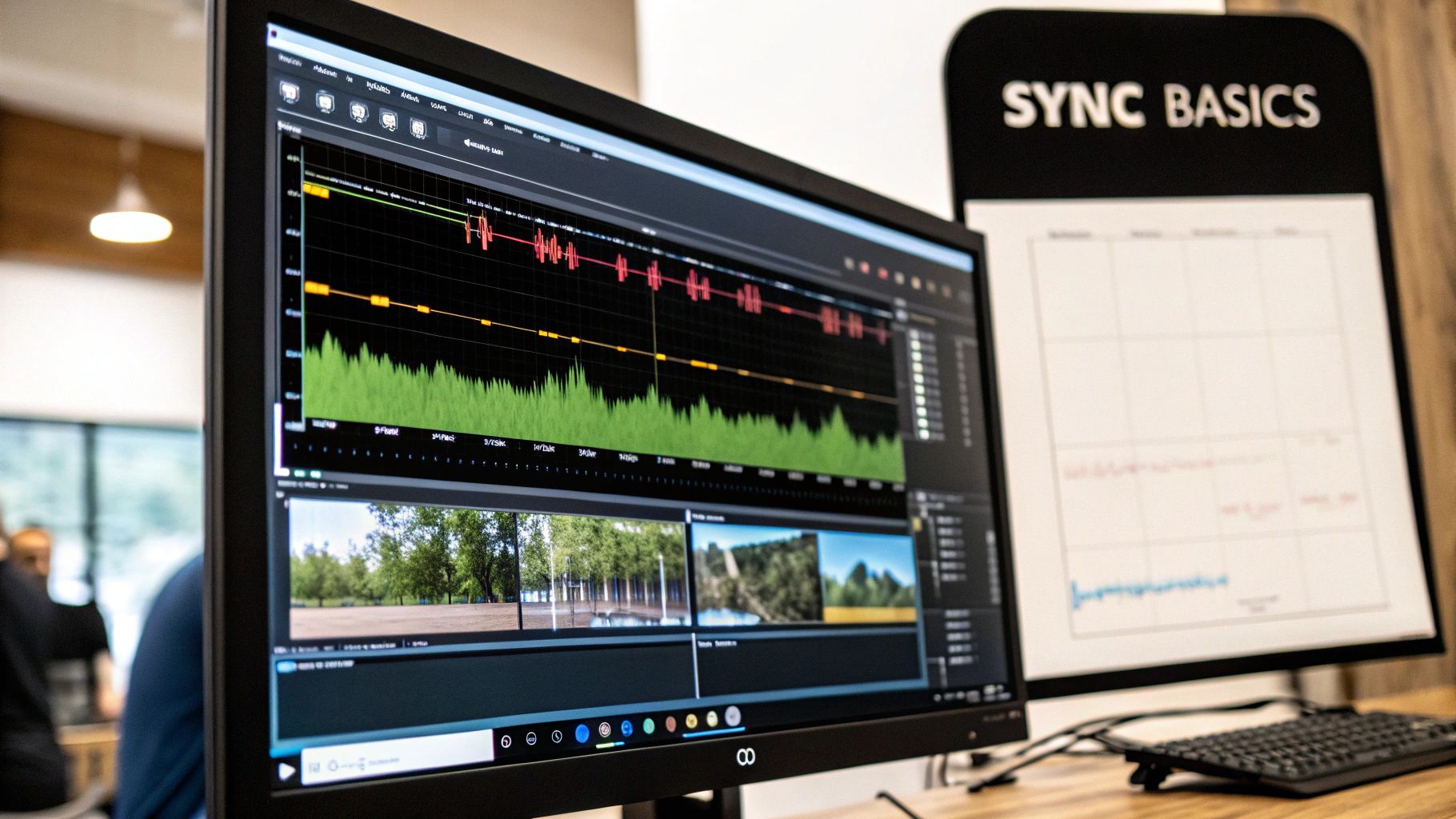
Let's be real: nothing screams "unprofessional" louder than out-of-sync audio. A tiny, almost imperceptible delay between what you see and what you hear can make an otherwise brilliant production feel cheap and distracting.
Seeddance execution path:
- Build your first version in Text to Video or Image to Video
- Refine motion/style with Video to Video
- Add sound layers via Video to Audio when needed
- Publish one clean variant and one experiment, then compare performance
Why this works:
- Keeps production repeatable
- Reduces random editing loops
- Makes weekly iteration measurable
2) Preparing Your Files for AI-Powered Sync
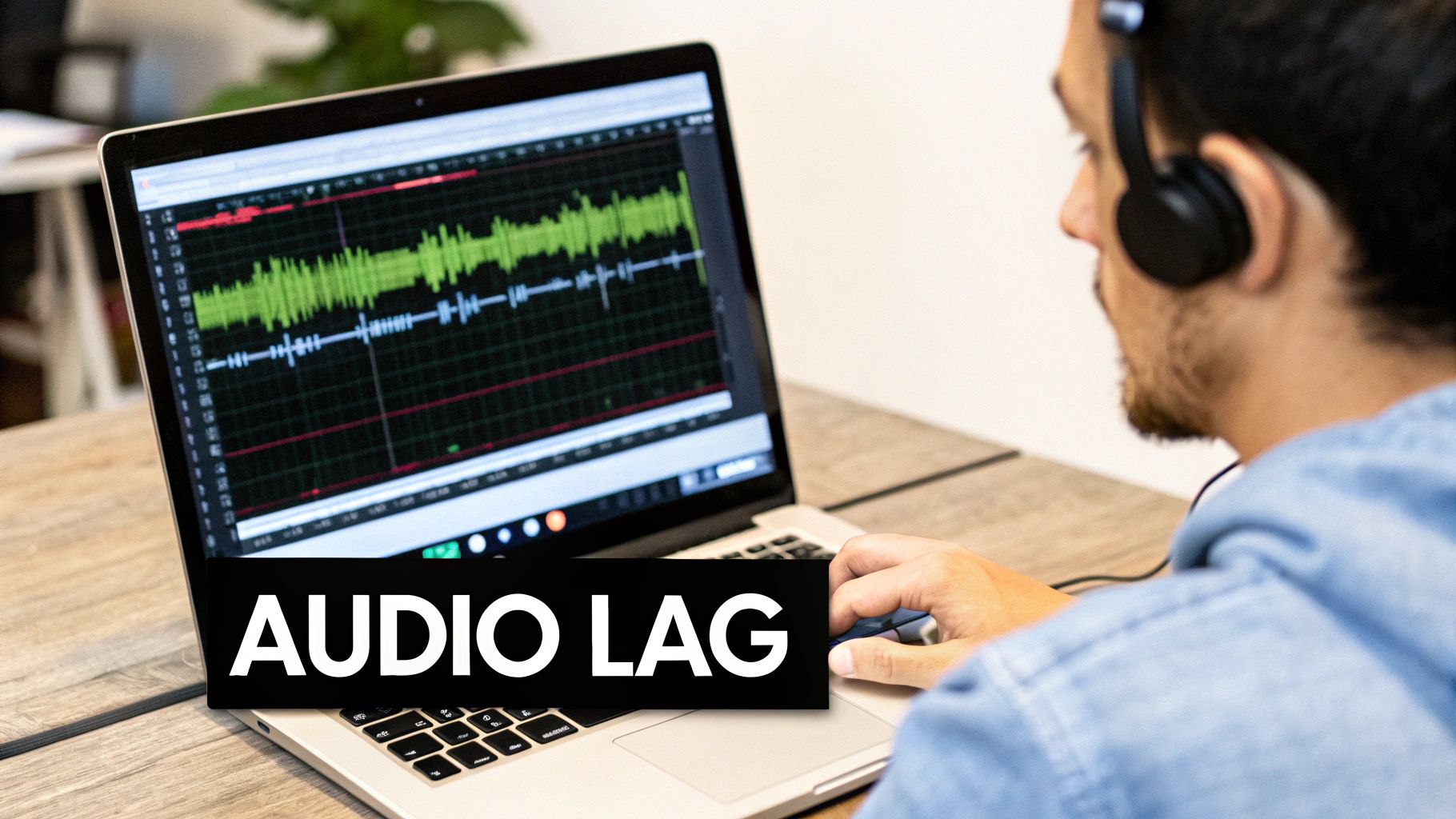
This is such a common issue that the industry has a term for it: lip-sync error. This metric measures the time difference between the audio and video tracks. While digital video files are timestamped to keep everything locked together, things can still go wrong.
Seeddance execution path:
- Build your first version in Text to Video or Image to Video
- Refine motion/style with Video to Video
- Add sound layers via Video to Audio when needed
- Publish one clean variant and one experiment, then compare performance
Why this works:
- Keeps production repeatable
- Reduces random editing loops
- Makes weekly iteration measurable
3) Kicking Off Your First AI Sync Project
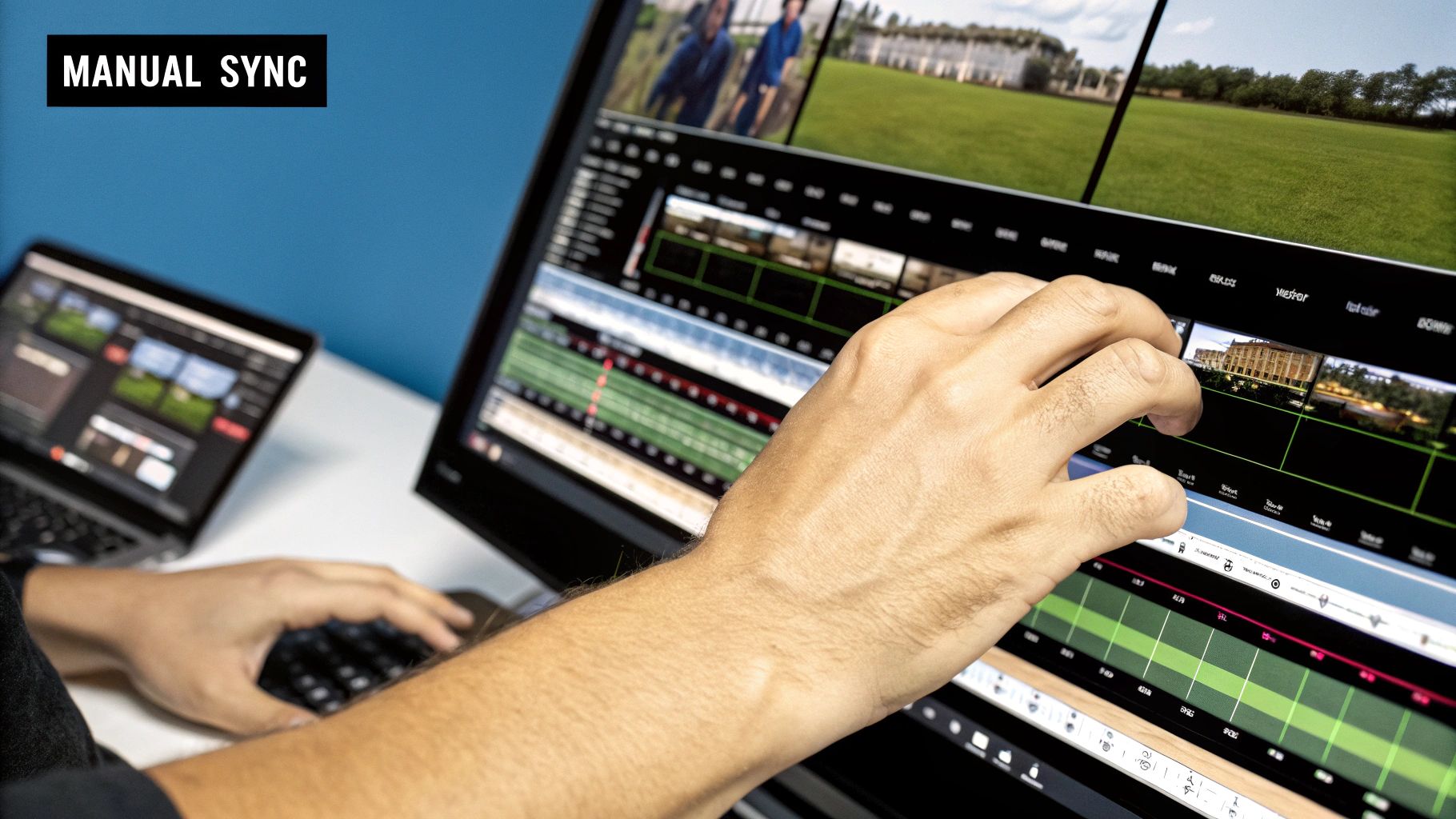
Before you jump into syncing your audio with video, a little prep work makes all the difference. Getting your files in order is the secret to getting that clean, one-click sync in a tool like Seeddance AI. Trust me, it beats manually lining up waveforms any day.
Seeddance execution path:
- Build your first version in Text to Video or Image to Video
- Refine motion/style with Video to Video
- Add sound layers via Video to Audio when needed
- Publish one clean variant and one experiment, then compare performance
Why this works:
- Keeps production repeatable
- Reduces random editing loops
- Makes weekly iteration measurable
4) Syncing Multi-Camera Setups Like a Pro
A messy project folder is just asking for a headache. Before I even think about importing, I set up a simple, clear folder structure for every single project. It’s a habit that pays off.
Seeddance execution path:
- Build your first version in Text to Video or Image to Video
- Refine motion/style with Video to Video
- Add sound layers via Video to Audio when needed
- Publish one clean variant and one experiment, then compare performance
Why this works:
- Keeps production repeatable
- Reduces random editing loops
- Makes weekly iteration measurable
5) Dealing with Common Audio Sync Problems
While Seeddance AI handles a lot of different formats, sticking to the standards is the safest bet for compatibility. For video, you can't go wrong with MP4 or MOV files. They’re universally accepted and just work.
Seeddance execution path:
- Build your first version in Text to Video or Image to Video
- Refine motion/style with Video to Video
- Add sound layers via Video to Audio when needed
- Publish one clean variant and one experiment, then compare performance

Why this works:
- Keeps production repeatable
- Reduces random editing loops
- Makes weekly iteration measurable
6) Got Questions About Audio Sync? We've Got Answers
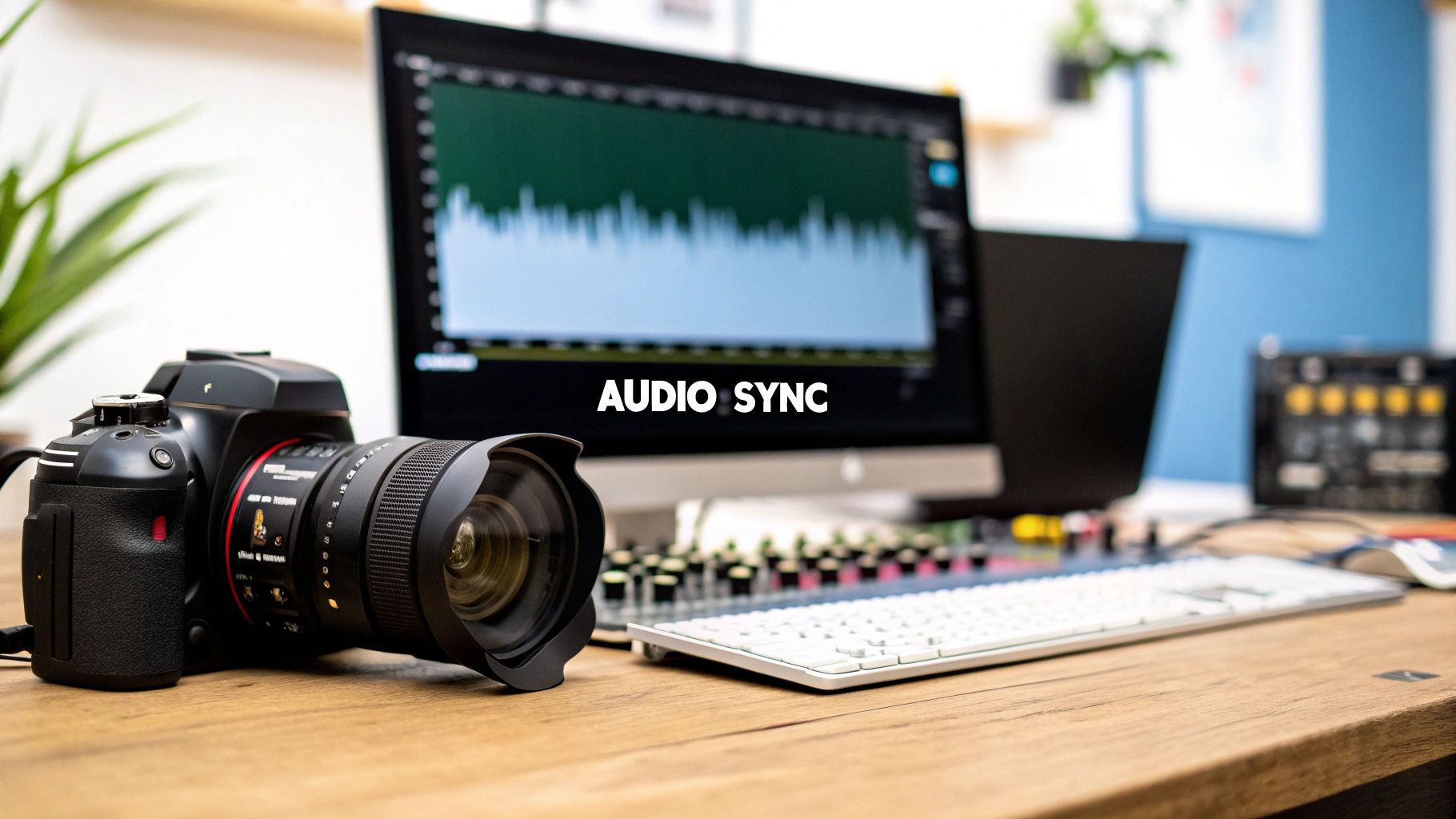
Alright, let's get our hands dirty with a real-world example. Say you just finished shooting an interview. You’ve got beautiful footage from your DSLR, but the on-camera audio is… well, it’s camera audio.
Seeddance execution path:
- Build your first version in Text to Video or Image to Video
- Refine motion/style with Video to Video
- Add sound layers via Video to Audio when needed
- Publish one clean variant and one experiment, then compare performance
Why this works:
- Keeps production repeatable
- Reduces random editing loops
- Makes weekly iteration measurable
7) The Creative Impact of a Technical Glitch
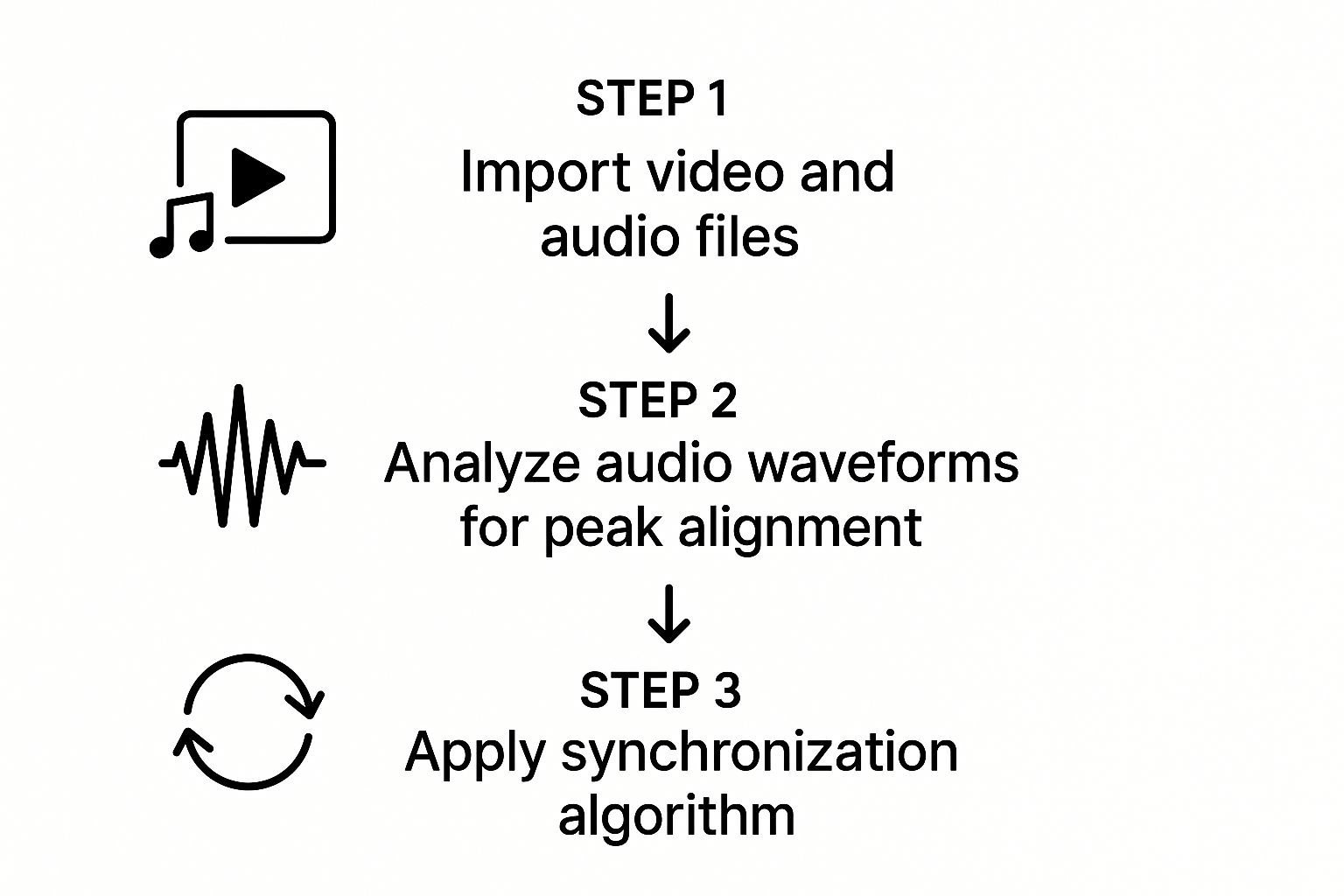
With both files in your project, go ahead and select the video clip and its corresponding audio track. This is where the magic happens. Seeddance AI gets to work, analyzing the waveforms of both the scratchy camera audio and your clean lav track, hunting for the matching patterns.
Seeddance execution path:
- Build your first version in Text to Video or Image to Video
- Refine motion/style with Video to Video
- Add sound layers via Video to Audio when needed
- Publish one clean variant and one experiment, then compare performance
Why this works:
- Keeps production repeatable
- Reduces random editing loops
- Makes weekly iteration measurable
8) Organizing for Efficiency
This quick comparison really highlights the jump in efficiency. You’re trading tedious work for a few simple clicks, freeing you up to focus on the creative side of your edit.
Seeddance execution path:
- Build your first version in Text to Video or Image to Video
- Refine motion/style with Video to Video
- Add sound layers via Video to Audio when needed
- Publish one clean variant and one experiment, then compare performance
Why this works:
- Keeps production repeatable
- Reduces random editing loops
- Makes weekly iteration measurable
9) Compatible File Formats
The AI will finish its job in moments, presenting you with a perfectly synced clip. But your work isn't quite done yet. Always, always review the sync. Never assume it's perfect and hit export.
Seeddance execution path:
- Build your first version in Text to Video or Image to Video
- Refine motion/style with Video to Video
- Add sound layers via Video to Audio when needed
- Publish one clean variant and one experiment, then compare performance
Why this works:
- Keeps production repeatable
- Reduces random editing loops
- Makes weekly iteration measurable
10) Handing the Reins to the AI
Shooting with more than one camera gives you so much creative freedom, but it also ups the complexity when it’s time to sync audio with video. Think about covering a live concert or an interview with three different camera angles.
Seeddance execution path:
- Build your first version in Text to Video or Image to Video
- Refine motion/style with Video to Video
- Add sound layers via Video to Audio when needed
- Publish one clean variant and one experiment, then compare performance
Why this works:
- Keeps production repeatable
- Reduces random editing loops
- Makes weekly iteration measurable
Practical Weekly Workflow
- Choose 2 to 3 blocks from this article and define a weekly objective.
- Produce your first drafts with Text to Video and Image to Video.
- Improve structure and style with Video to Video.
- Add audio where needed via Video to Audio or Text to Music.
- Publish and keep only the formats that consistently outperform baseline.
Conclusion
The most reliable way to scale content output is to standardize how each piece is produced.
Keep the structure stable, iterate by section, and scale only what proves performance.
Call to Action
- Start with Image to Video: https://seeddance.app/image-to-video
- Start with Text to Video: https://seeddance.app/text-to-video
- Refine with Video to Video: https://seeddance.app/video-to-video
- Add audio with Video to Audio: https://seeddance.app/video-to-audio
- Build supporting visuals: https://seeddance.app/text-to-image
FAQs
1) Can this workflow work for a solo creator?
Yes. Start with a small weekly scope and reuse the same production blocks.
2) How many variants should I test per post?
2 to 4 focused variants are usually enough to identify clear winners.
3) Should I prioritize trends or consistency?
Use trends for reach, but keep a consistent format system for long-term brand memory.