Categories: AI Video Workflow, Creator Strategy, Production Process
Tags: seeddance, seedance 2.0, ai video workflow, content strategy, creator toolkit
Introduction
As a small business owner, the idea of adding "video producer" to your already demanding role can feel overwhelming. However, video is more than just advertising; it's a powerful tool for connection and growth. This guide will help you leverage video marketing, even with limited time and budget, by focusing on clear planning, efficient execution, and consistent publishing.
Why Video Is Your Small Business Superpower
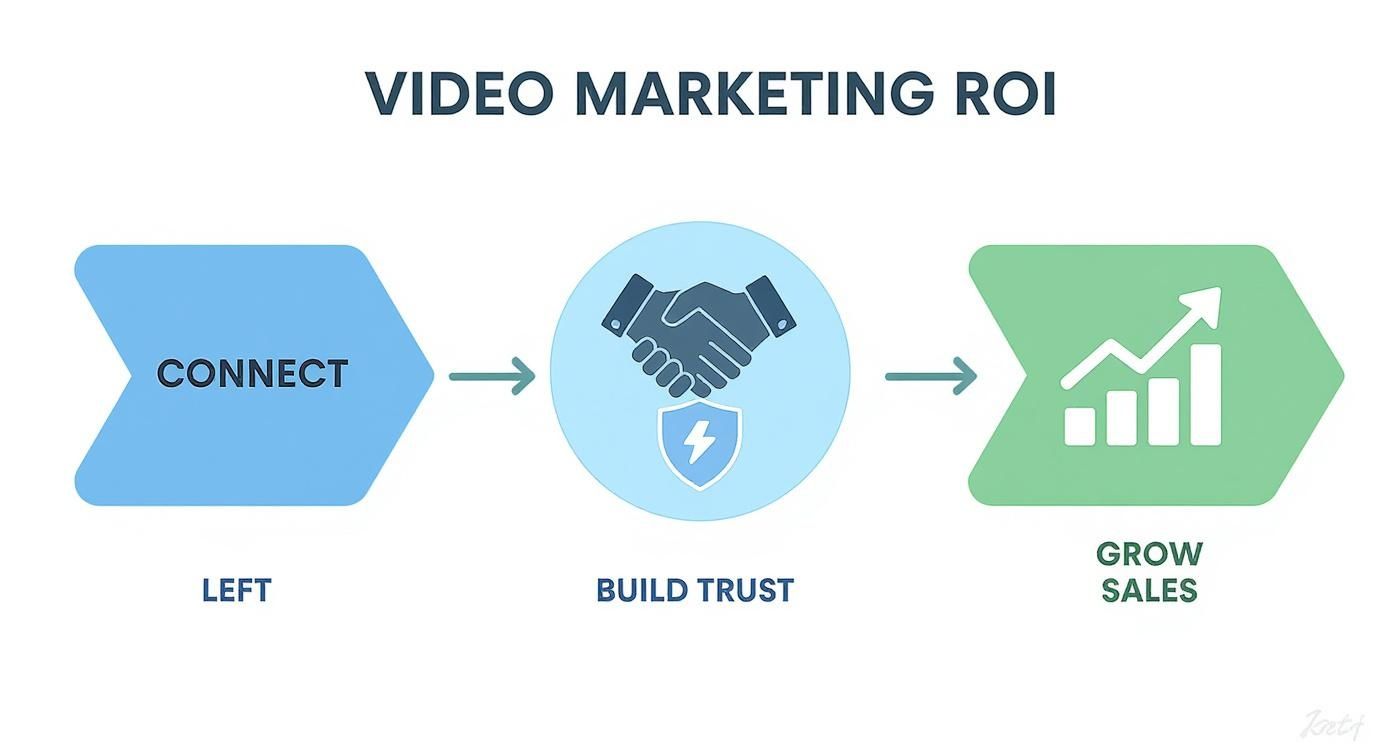
Video allows your authenticity to shine, moving beyond simple feature lists to demonstrate real value. It's your opportunity to forge genuine connections with customers, building trust and engagement that traditional advertising often misses.
Building a Video Strategy That Actually Works
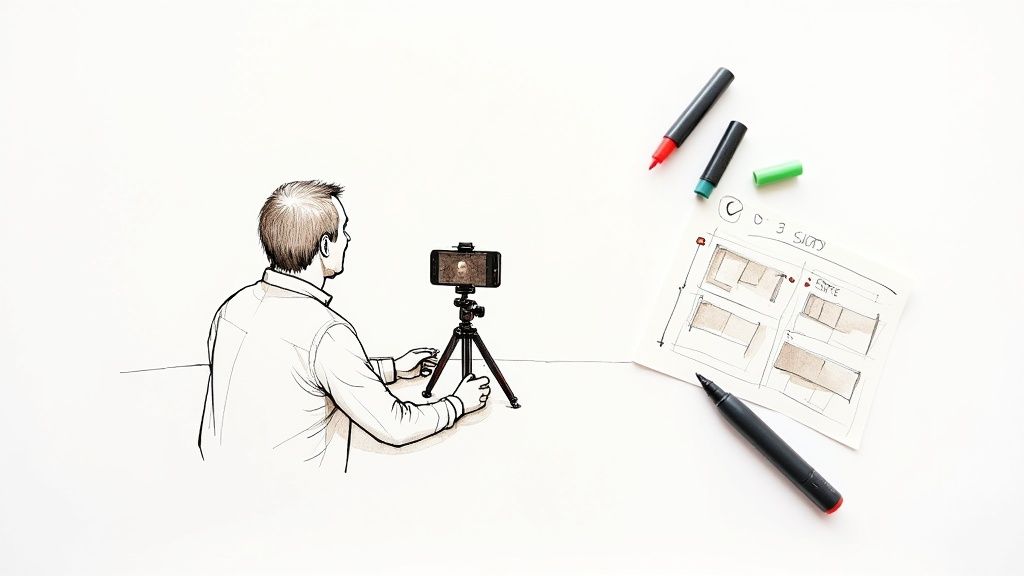
Before you even think about cameras or editing, define your primary video goals. What are you trying to achieve? Once your goal is clear, identify your target audience. Content for a 22-year-old on TikTok will differ significantly from content for a 55-year-old on Facebook. With your "why" and "who" established, choose the right video format for the job. There are many types of videos, each serving a different purpose.
Bringing Your Video Vision to Life (Without Breaking the Bank)
Many entrepreneurs believe professional-looking video requires huge budgets and elaborate production crews. This is a myth. Your smartphone is a powerful tool for shooting high-quality video. What truly matters is how you use it. Before recording, create a simple script or outline. This prevents rambling and ensures your message is clear and concise. After shooting, modern software and AI-powered tools can streamline the editing process, making it less daunting.
How to Get Your Videos Seen by the Right People
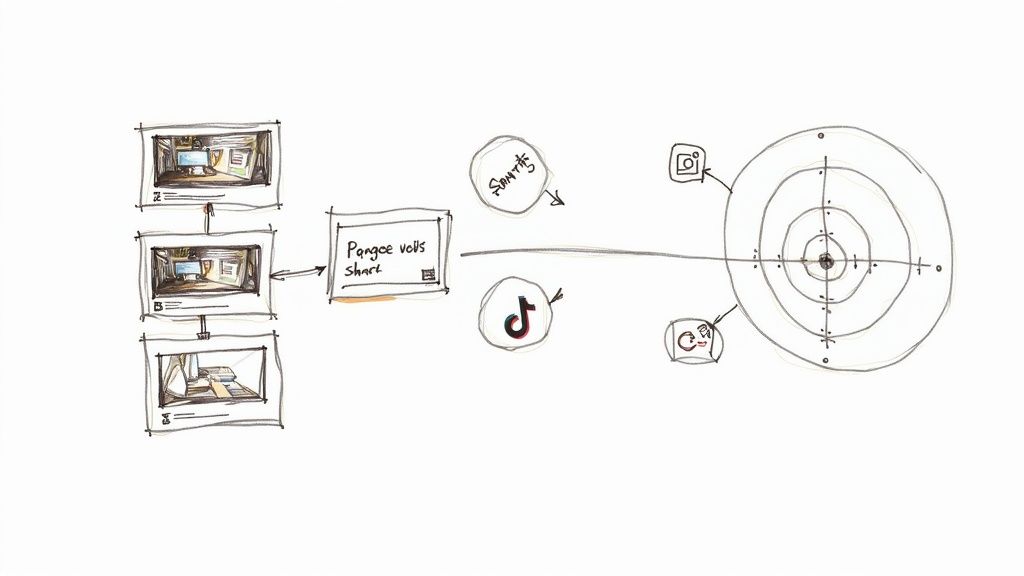
Creating a fantastic video is only half the battle. A brilliant video that nobody sees is like a billboard in the desert. You need to switch from creator to distributor. Match your video content to the platform where your audience spends their time.

Measuring What Matters to Grow Your Business
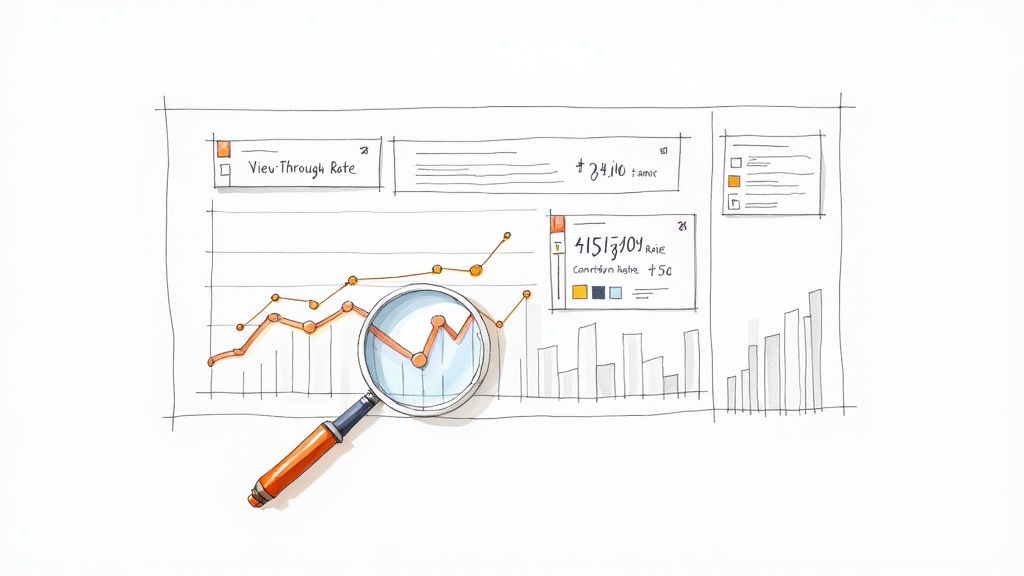
To truly grow your business with video, you need to measure what matters. Track the performance of your videos against your defined goals. This data will help you understand what resonates with your audience and what needs improvement, allowing you to refine your strategy and maximize your impact.
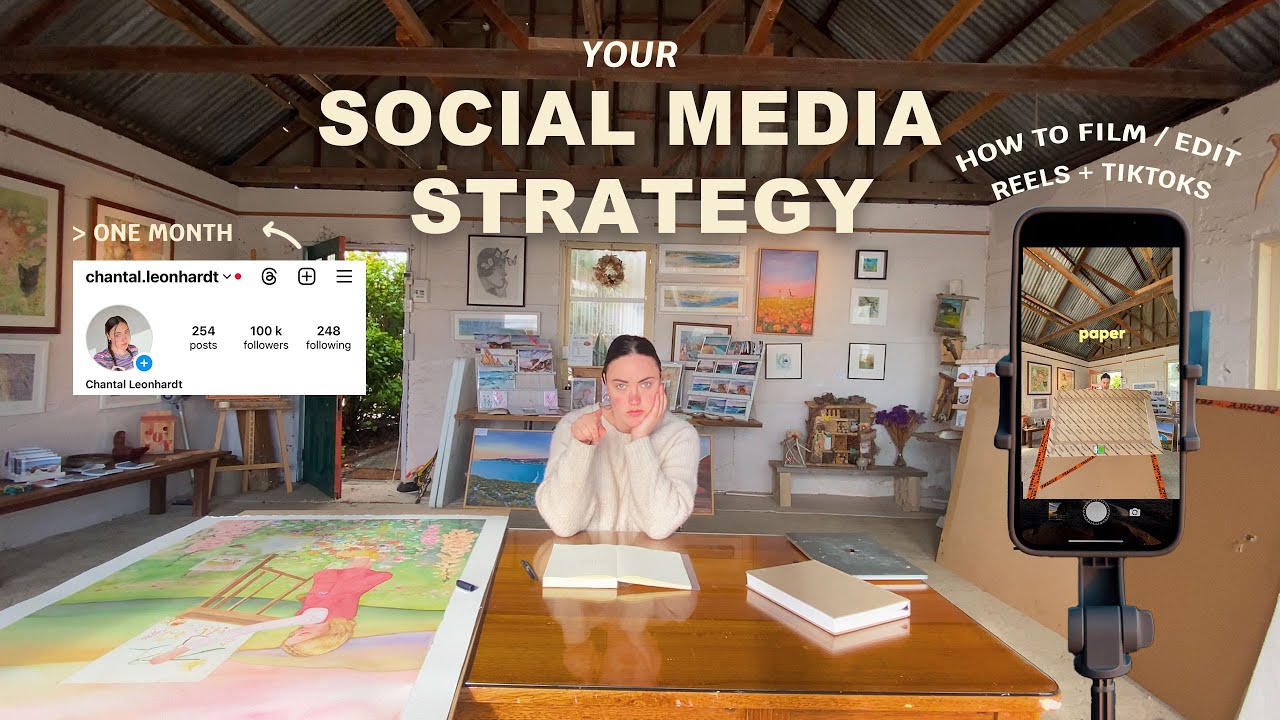
Practical Weekly Workflow
- Define Objectives: Choose 2-3 key areas from your video strategy to focus on each week.
- Draft Content: Create a concise first draft for each selected content block.
- Refine: Improve structure, tone, and clarity before publishing.
- Analyze: Compare different video variants using a single measurable KPI.
- Optimize: Scale only the formats and approaches that consistently outperform your baseline.
Conclusion
The most effective way to scale your content output is through standardization. Maintain a stable structure for your video production, iterate on specific sections, and only expand what consistently demonstrates strong performance. This approach ensures repeatable production, reduces unnecessary editing, and makes weekly improvements measurable.
Next Step
Explore Seeddance workflow templates: https://seeddance.app/
FAQs
1) Can this workflow work for a solo creator? Yes. Start with a small weekly scope and reuse the same production blocks to build consistency.
2) How many variants should I test per post? Testing 2 to 4 focused variants is usually sufficient to identify clear winners and optimize your content.
3) Should I prioritize trends or consistency? Use trends to gain reach and capture attention, but maintain a consistent format system for long-term brand recognition and memory.