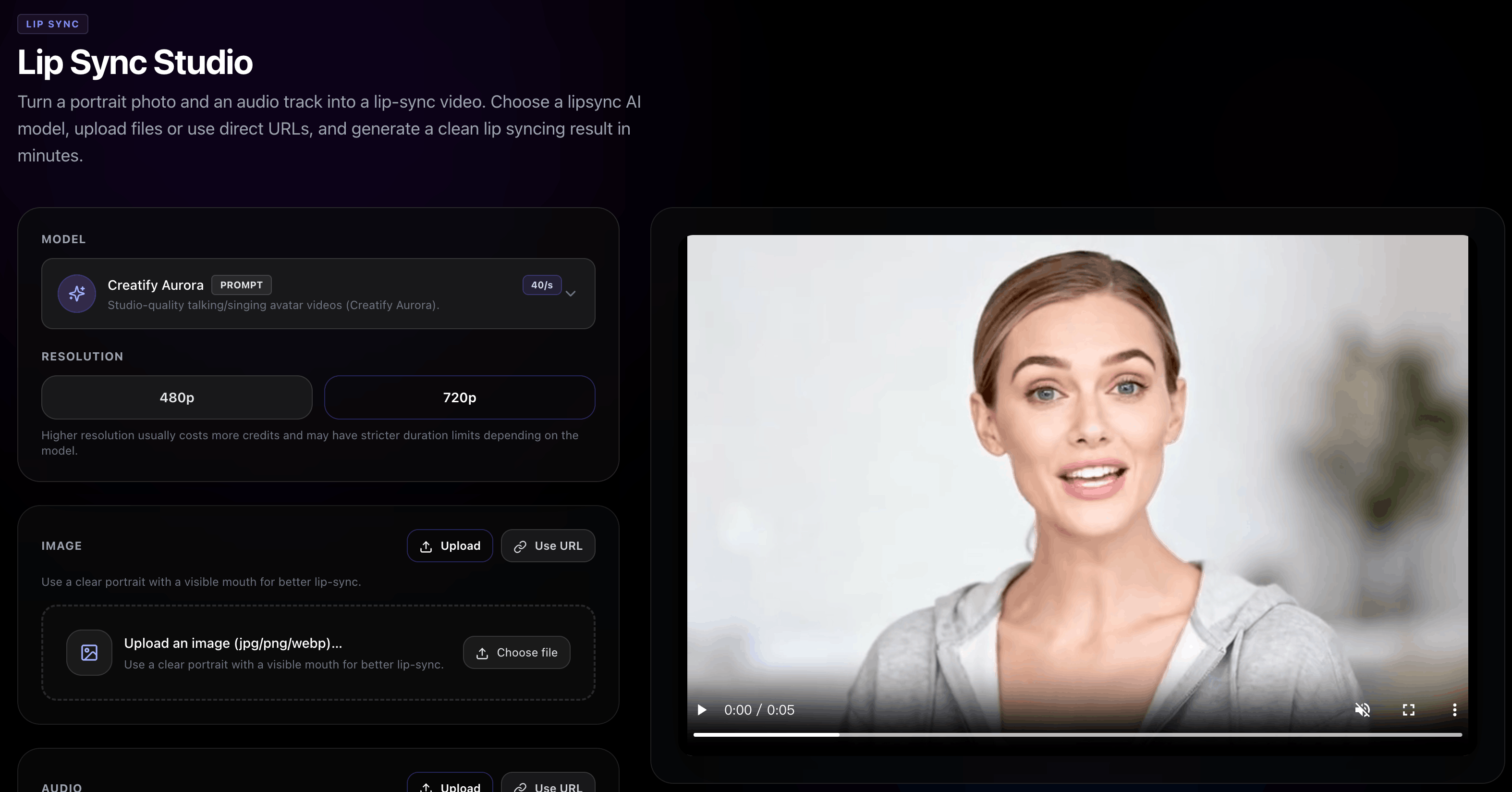
Categories: AI Video Workflow, Creator Strategy, Production Process
Tags: seeddance, seedance 2.0, ai video workflow, content strategy, creator toolkit
Introduction
This guide turns key ideas into a practical Seeddance production framework.
The focus is simple: clearer planning, faster execution, and stronger publishing consistency with Seedance 2.0.
Core Content Blocks
1) What Is HeyGen ?
HeyGen is an AI video generator built primarily around avatar-based video. Users can:

Why this works:
- Keeps production repeatable
- Reduces random editing loops
- Makes weekly iteration measurable
2) Why Look for HeyGen Alternatives?
As AI video creation becomes part of daily workflows for creators, marketers, educators, and even casual users, the limitations of “one-size-fits-all” avatar platforms become obvious.

Why this works:
- Keeps production repeatable
- Reduces random editing loops
- Makes weekly iteration measurable
3) How to Pick the Right AI Video Generator?
The rise of heygen alternatives isn’t about abandoning AI video. It’s about specialization. Most users fall into these real-world needs:

Why this works:
- Keeps production repeatable
- Reduces random editing loops
- Makes weekly iteration measurable
4) Top 5 HeyGen Alternatives for AI Video Generator
Before comparing HeyGen alternatives, ask one question:What is this video for?
Why this works:
- Keeps production repeatable
- Reduces random editing loops
- Makes weekly iteration measurable
5) Free vs. Paid Plans: 5 HeyGen Alternatives Comparison
If your audience is global, languages and voices matter more than avatars.
Why this works:
- Keeps production repeatable
- Reduces random editing loops
- Makes weekly iteration measurable
6) Conclusion
Pricing varies widely across heygen alternatives, and understanding the model is key to choosing the right tool. Most platforms use one of these approaches:
Why this works:
- Keeps production repeatable
- Reduces random editing loops
- Makes weekly iteration measurable
7) You Might Also Like
Below are popular HeyGen alternatives, each excelling in different scenarios.
Why this works:
- Keeps production repeatable
- Reduces random editing loops
- Makes weekly iteration measurable
8) Use Case Alignment
Veed feels less like a traditional avatar platform and more like a full browser-based editing suite with AI built in.The avatar feature is just one layer inside a much broader ecosystem that includes timeline editing, subtitle automation, background removal, eye-contact correctio...
Why this works:
- Keeps production repeatable
- Reduces random editing loops
- Makes weekly iteration measurable
9) Languages & Voices
Synthesia focuses on enterprise-ready AI avatar videos. The first thing that stood out is corporate communication.
Why this works:
- Keeps production repeatable
- Reduces random editing loops
- Makes weekly iteration measurable
10) Pricing Structures
Unlike most HeyGen alternatives, ElevenLabs is not an avatar platform. It’s a voice AI company. There is no visual editing timeline. No avatar scene builder. Instead, you focus entirely on voice quality — cloning, emotional control, multilingual tone consistency, and API access.
Why this works:
- Keeps production repeatable
- Reduces random editing loops
- Makes weekly iteration measurable
Practical Weekly Workflow
- Choose 2 to 3 blocks from this article and define a weekly objective.
- Build a concise first draft for each selected block.
- Improve structure, tone, and clarity before publishing.
- Compare variants using a single measurable KPI.
- Keep only the formats that consistently outperform baseline.
Conclusion
The most reliable way to scale content output is to standardize how each piece is produced.
Keep the structure stable, iterate by section, and scale only what proves performance.
Next Step
Explore Seeddance Lip sync: https://seeddance.app/lip-sync
FAQs
1) Can this workflow work for a solo creator?
Yes. Start with a small weekly scope and reuse the same production blocks.
2) How many variants should I test per post?
2 to 4 focused variants are usually enough to identify clear winners.
3) Should I prioritize trends or consistency?
Use trends for reach, but keep a consistent format system for long-term brand memory.