Categories: AI Video Workflow, Creator Strategy, Production Process
Tags: seeddance, seedance 2.0, ai video workflow, content strategy, creator toolkit
Introduction
This guide translates effective small business advertising strategies into a practical Seeddance production framework. The focus is on clearer planning, faster execution, and stronger publishing consistency using Seeddance 2.0 to create impactful ad content.
Core Content Blocks
1) Build Your Advertising Foundation First
It's tempting to jump straight into creating ads, but that's a common pitfall. A solid blueprint is essential. This foundational work ensures every decision is intentional, distinguishing a successful campaign from a costly failure.
Seeddance execution path:
- Build your first version in Text to Video or Image to Video.
- Refine motion and style with Video to Video.
- Add sound layers via Video to Audio when needed.
- Publish one clean variant and one experimental version, then compare their performance.
Why this works:
- Keeps production repeatable and efficient.
- Reduces aimless editing cycles.
- Makes weekly iteration and performance measurable.
2) Define Your Ideal Customer
Vague descriptions like "women aged 25-40" are no longer effective. To create ads that truly resonate, you need to develop a detailed customer avatar. This deep understanding informs all subsequent advertising choices.
Seeddance execution path:
- Build your first video concepts based on your customer avatar using Text to Video or Image to Video.
- Refine visual storytelling and style with Video to Video.
- Add relevant audio elements via Video to Audio to enhance the message.
- Publish and test different variants to see which best captures your ideal customer's attention.
Why this works:
- Ensures content is highly targeted.
- Reduces wasted ad spend on irrelevant audiences.
- Improves ad engagement and conversion rates.
3) Set Clear and Measurable Goals
"I want more customers" is a wish, not a goal. For advertising to be effective, your objectives must be SMART: Specific, Measurable, Achievable, Relevant, and Time-bound. Without clear goals, you can't assess campaign success.
Seeddance execution path:
- Create ad content aligned with specific SMART goals using Text to Video or Image to Video.
- Use Video to Video to ensure your visuals clearly communicate your call to action.
- Enhance impact with targeted audio from Video to Audio.
- Track performance of different ad variants against your measurable goals.
Why this works:
- Provides a clear benchmark for success.
- Allows for data-driven optimization.
- Justifies advertising investment with tangible results.
4) Choose the Right Advertising Channels
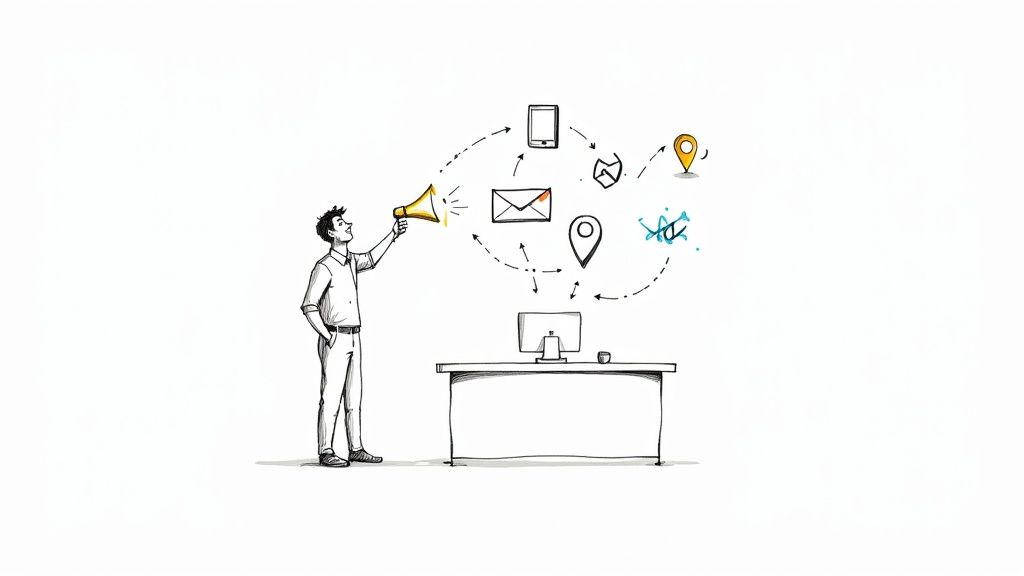
Once you know your audience and objectives, it's time to select where to engage them. The key isn't to be everywhere, but to strategically choose one or two channels that are the best fit, master them, and then expand thoughtfully.
Seeddance execution path:
- Adapt your video content for specific channel requirements using Text to Video or Image to Video.
- Refine video formats and styles with Video to Video for optimal platform performance.
- Ensure audio is clear and engaging for each chosen channel using Video to Audio.
- Launch campaigns on your selected channels and monitor results.
Why this works:
- Focuses resources for maximum impact.
- Prevents overwhelm from trying to manage too many platforms.
- Allows for deep understanding and optimization of chosen channels.
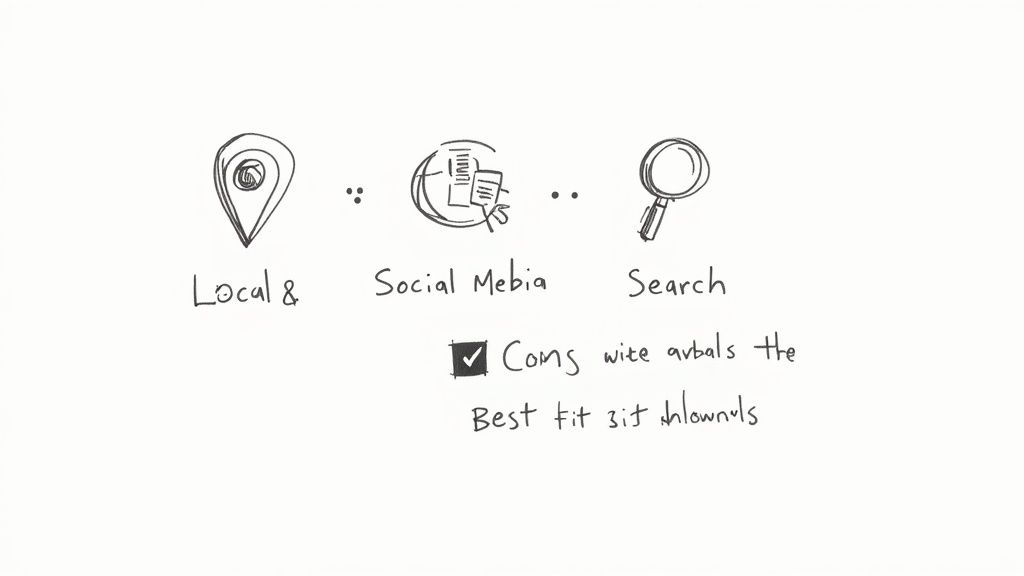
5) Master Your Local Presence
For businesses with a physical storefront—like a coffee shop or a local boutique—dominating your immediate area should be a top priority. Nailing local fundamentals is crucial before investing in complex digital campaigns.
Seeddance execution path:
- Create localized video ads using Text to Video or Image to Video, highlighting local landmarks or community aspects.
- Use Video to Video to ensure your local messaging is clear and inviting.
- Add local sounds or voiceovers with Video to Audio to enhance authenticity.
- Publish ads targeting specific local geographies.
Why this works:
- Drives foot traffic and local engagement.
- Builds community trust and recognition.
- Often yields high ROI for brick-and-mortar businesses.
6) Dominate with Social Media Ads
If your customers are online, they're almost certainly on social media. The challenge is identifying their preferred platforms. A B2B consultant might find LinkedIn leads, while a handcrafted jewelry business thrives on visual platforms.
Seeddance execution path:
- Generate platform-specific video content with Text to Video or Image to Video.
- Tailor video styles and durations for each social platform using Video to Video.
- Optimize audio for silent viewing (subtitles) or engaging sound with Video to Audio.
- Launch targeted social media ad campaigns.
Why this works:
- Reaches customers where they spend their time.
- Allows for precise audience targeting.
- Excellent for building brand awareness and community.
7) Capture Intent with Search Ads
While social media excels at building awareness, search engine ads (like Google Ads) are powerful for capturing intent. These ads reach users actively searching for products or services you offer.
Seeddance execution path:
- Create concise, keyword-focused video ads using Text to Video or Image to Video that directly answer search queries.
- Refine visuals with Video to Video to quickly convey value.
- Ensure any audio is clear and reinforces the search intent with Video to Audio.
- Integrate these videos into your search ad campaigns.
Why this works:
- Connects with high-intent customers ready to buy.
- Delivers immediate results for specific queries.
- Often has a strong return on investment due to targeted intent.
8) Creating Ads That Actually Work (Without a Huge Budget)
Most small businesses don't have a Hollywood-sized advertising budget, and the good news is, you don't need one. The most effective ads often come from smart, authentic creative that genuinely connects with people, not just big spending.
Seeddance execution path:
- Leverage Text to Video and Image to Video to produce high-quality, authentic content affordably.
- Use Video to Video to refine and polish your creative without expensive production.
- Enhance your message with professional-sounding audio from Video to Audio, making a big impact on a small budget.
- Focus on compelling storytelling and user-generated content to maximize reach.
Why this works:
- Maximizes creative output with minimal financial outlay.
- Prioritizes authenticity over high production costs.
- Allows for rapid iteration and testing of creative ideas.
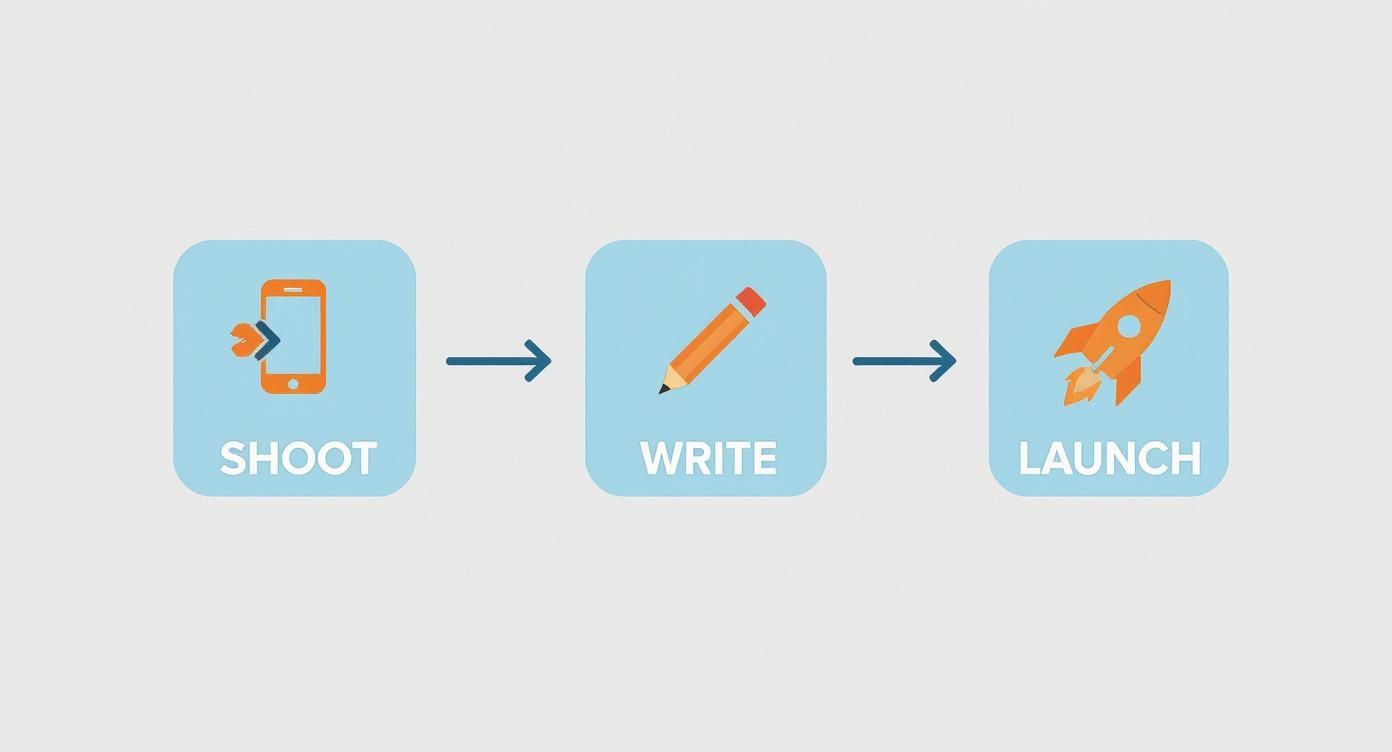
9) Your Smartphone is a Video Powerhouse
Video can seem daunting, but it doesn't have to be. Your smartphone is perfectly capable of shooting professional-looking video if you focus on two key elements: good lighting and clear sound.
Seeddance execution path:
- Start with raw smartphone footage and enhance it using Video to Video to refine style and motion.
- Improve audio quality or add background music/voiceovers with Video to Audio.
- Combine with AI-generated elements from Text to Video or Image to Video for a polished final product.
Why this works:
- Lowers the barrier to entry for video production.
- Utilizes readily available technology for high-quality output.
- Empowers small businesses to create engaging video content independently.
10) Writing Words That Stop the Scroll
Your ad copy has a critical job: to cut through the noise and make someone pause. The AIDA model (Attention, Interest, Desire, Action) is a classic framework that consistently guides viewers from seeing your ad to clicking it.
Seeddance execution path:
- Use Text to Video to visualize your AIDA-driven ad copy, ensuring each stage is clearly represented.
- Refine the pacing and visual flow of your text-based videos with Video to Video to maximize impact.
- Add compelling voiceovers or sound effects via Video to Audio to reinforce your message.
- Test different copy variations to see what resonates most with your audience.
Why this works:
- Provides a structured approach to persuasive writing.
- Increases the likelihood of viewer engagement and conversion.
- Helps create clear, action-oriented ad messages.
11) Let Your Customers Create Your Best Ads
One of your most powerful, yet often overlooked, advertising assets is your existing customer base. User-generated content (UGC)—the photos, videos, and reviews your customers create—is authentic, trustworthy, and costs you nothing.
Seeddance execution path:
- Integrate customer testimonials or product reviews into video ads using Text to Video or Image to Video.
- Use Video to Video to seamlessly blend UGC with your brand's visual identity.
- Add authentic customer audio or background music via Video to Audio to enhance credibility.
- Encourage and curate UGC to fuel your content pipeline.
Why this works:
- Builds trust and social proof instantly.
- Provides authentic content that resonates with potential customers.
- Reduces content creation costs significantly.
Practical Weekly Workflow
- Choose 2 to 3 strategic blocks from this article and define a weekly objective for your advertising.
- Produce your first video drafts quickly using Text to Video and Image to Video.
- Improve the structure, motion, and style of your videos with Video to Video.
- Add audio where needed via Video to Audio or Text to Music.
- Publish your content, testing different variants, and keep only the formats that consistently outperform your baseline.
Conclusion
The most reliable way to scale content output and advertising effectiveness is to standardize your production process. Maintain a stable structure, iterate by section, and only scale what consistently demonstrates strong performance.
Call to Action
- Start with Image to Video: https://seeddance.app/image-to-video
- Start with Text to Video: https://seeddance.app/text-to-video
- Refine with Video to Video: https://seeddance.app/video-to-video
- Add audio with Video to Audio: https://seeddance.app/video-to-audio
- Build supporting visuals: https://seeddance.app/text-to-image
FAQs
1) Can this workflow work for a solo creator? Yes. Start with a small weekly scope and reuse the same production blocks to maximize efficiency.
2) How many variants should I test per post? 2 to 4 focused variants are usually enough to identify clear winners and gather meaningful data.
3) Should I prioritize trends or consistency? Use trends for immediate reach and relevance, but maintain a consistent format system for long-term brand recognition and memory.